The Identity
..
Architect of Light, Sculptor of Space
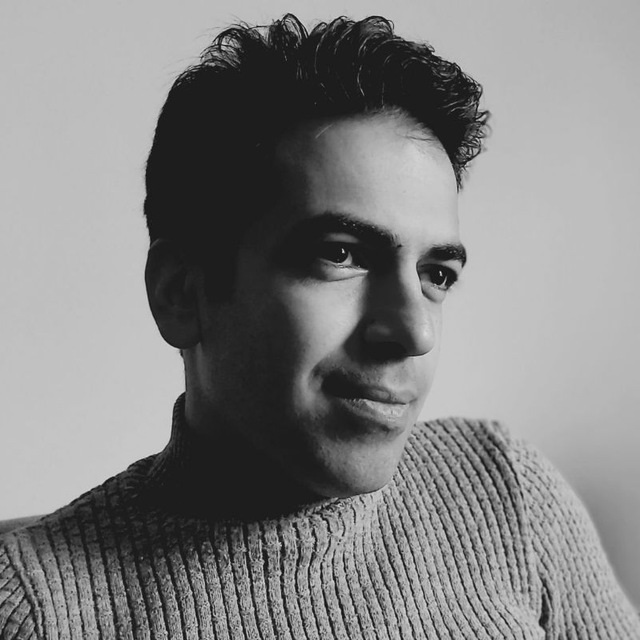
Alireza Rostami is an architect and ceramic artist whose practice explores the relationships between light, matter, and space.
His work moves between architecture, ceramics, sculpture, and material transformation. These are not separate disciplines, but different manifestations of a continuous inquiry into how matter becomes form, how form shapes space, and how light reveals what matter holds within itself.
Ceramics is the primary medium through which this exploration increasingly takes form.
Through clay, brick, glaze, surface, volume, structure, and light, he investigates transformation — from earth into matter, from matter into form, and from form into spatial experience.
His practice is a journey between the tangible and the immaterial; between what is built, what is shaped, and what is revealed.
Architecture frames the void, ceramics holds the earth
BREAK
is the poetic filum weaving them into one
ORIGIN OF PRACTICE
Where the Journey Began
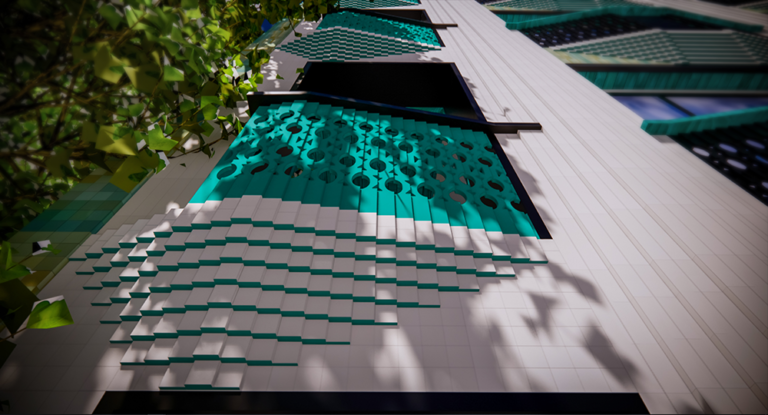
My journey began with architecture. Architecture taught me to see beyond objects — to understand structure, proportion, rhythm, material, light, and the space between things. But over time, I became increasingly drawn to the material itself. Clay offered another way of thinking.
It brought the investigation closer to the hand, to the surface, to fire, transformation, and the intimate relationship between matter and light. What began as two different fields gradually revealed itself as one continuous path.
Architecture led me toward space. Ceramics led me deeper into matter. Between them, I began to discover a common language.
ARCHITECTURE AS THINKING
Architecture Beyond Buildings
Architecture, for me, is more than the act of constructing buildings. It is a way of thinking about space, structure, rhythm, scale, light, and human experience. A wall is not only a boundary, a void is not simply an absence, and a repeated element is not merely a pattern; each can become a way of shaping perception.
This way of seeing extends beyond architecture into my work with ceramics and sculpture. The scale may change, the material may change, and the method may change, but the underlying questions remain:
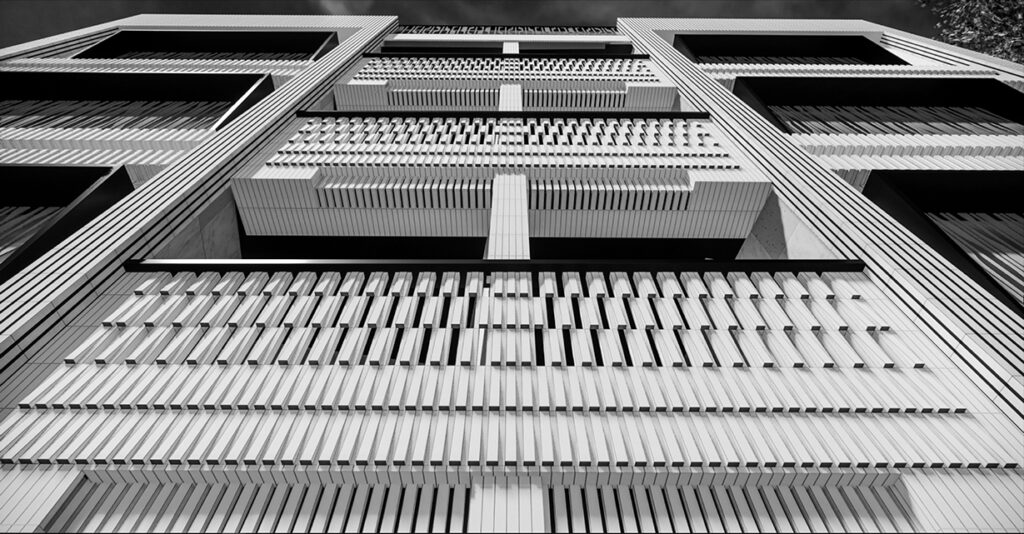
– How does structure become rhythm?
– How does rhythm become space?
– How does material shape experience?
THE RED BRIDGE
Brick: The Bridge Between Two Parallel Worlds
Brick occupies a particular place in my practice. It begins in the earth, yet becomes architecture; it belongs to matter, yet gives form to space. This dual nature makes brick more than a building material to me — it becomes a bridge between . . .
Earth and Space, Matter and Structure, Weight and Light
My relationship with brick began through architecture, but gradually moved beyond conventional construction. Its modularity, repetition, texture, rhythm, and changing relationship with light became a language that could move between architecture and ceramic art, allowing structure to become form and material to become spatial experience.

The Red Bridge represents this passage between my two worlds :
from Architecture to Art, from Structure to Form, from Earth to Space
It is not simply a connection between two practices, but a recognition that they were never entirely separate
MATERIAL & TRANSFORMATION
The Language of Matter
I am interested in materials not only for what they are, but for what they can become.
Clay becomes ceramic
Earth becomes brick
A surface becomes texture
and structure becomes rhythm
Through making, firing, reduction, layering, repetition, and transformation, matter moves from one state into another.
This process is central to my practice. I do not see material as something passive that simply receives a form; material participates in the making. Its resistance, weight, texture, fracture, surface, and response to fire all become part of the work. The final form is therefore not simply designed.
It emerges through a dialogue between intention and matter.
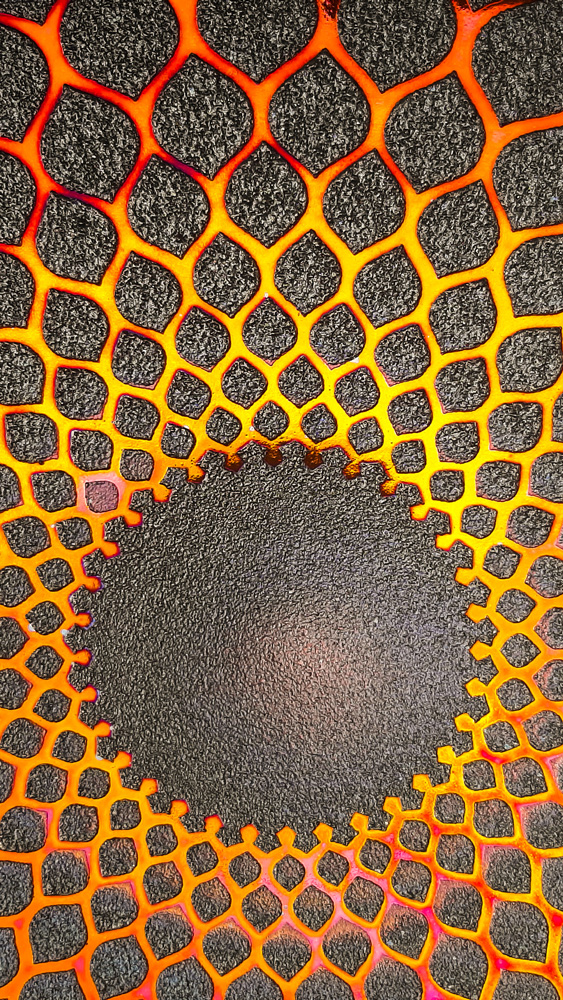
My practice exists in the space between structure and touch, between the discipline of architecture and the transformative nature of clay. I move between scale and material, from the architectural order of brick and space to the intimate surface of a ceramic form. What connects these seemingly different worlds is not a technique or a particular medium, but a way of seeing — an ongoing search for how matter, light, structure, and space can transform one another.
Perhaps this is where my work truly begins: not with a distinction between architecture and art, but with the recognition that both can become ways of listening to matter, shaping space, and revealing what lies between them.
THE ALCHEMY OF LIGHT
Architecture Beyond Buildings

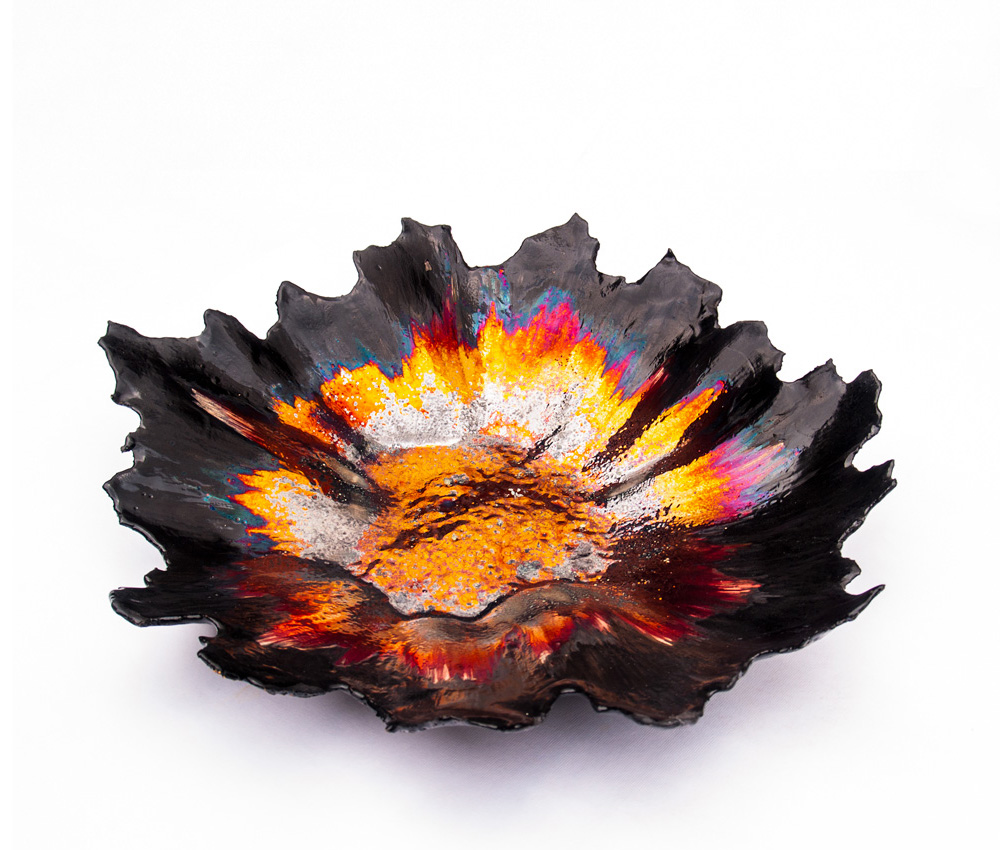
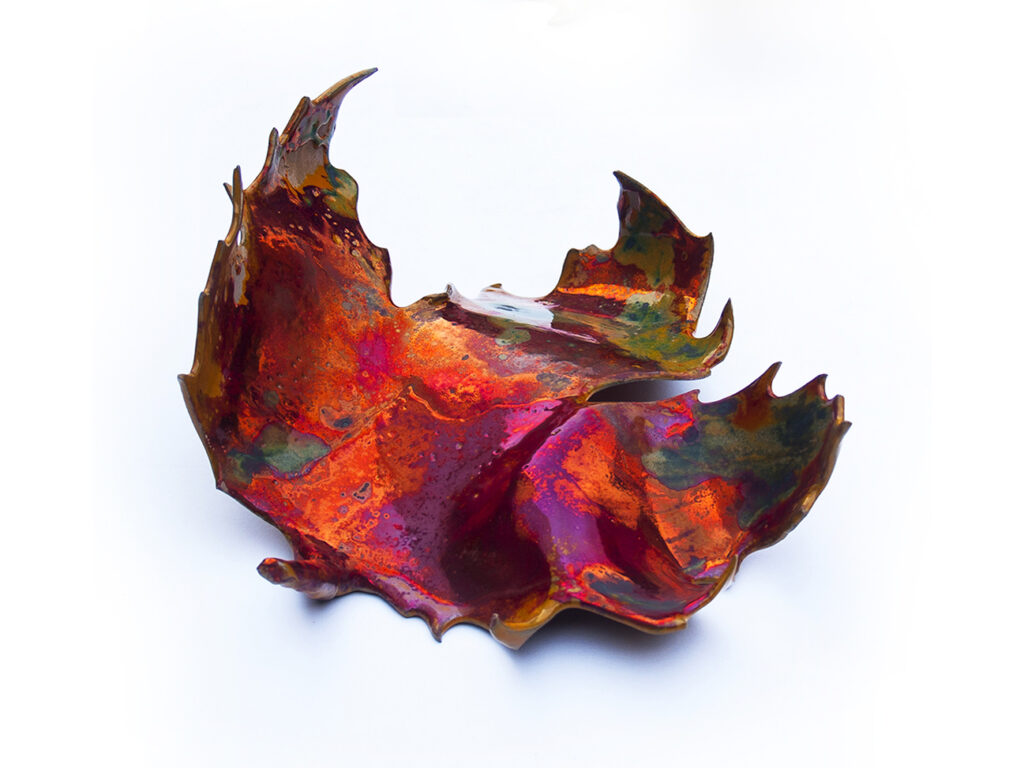
Light takes different forms across the two fields of my practice, yet it connects them. In architecture, light enters space, defining depth, revealing structure, creating shadow, and continually altering our perception of volume. In ceramics, it encounters the surface, reflecting, dissolving, intensifying, and revealing texture, glaze, colour, and depth.
Light does not simply illuminate my work; it completes it.
A surface may remain quiet until light touches it. A volume may reveal itself through shadow, while a reflective glaze changes with the movement of the viewer. In these moments, light becomes more than illumination; it becomes part of the material experience.
Architecture and ceramics meet again through this transformation. In one, light shapes the experience of space; in the other, it transforms the experience of matter. Between them, light becomes not merely a subject of my practice, but an active material through which form, surface, and space are revealed.
OBJECT & SPACE
From Objects to Experiences
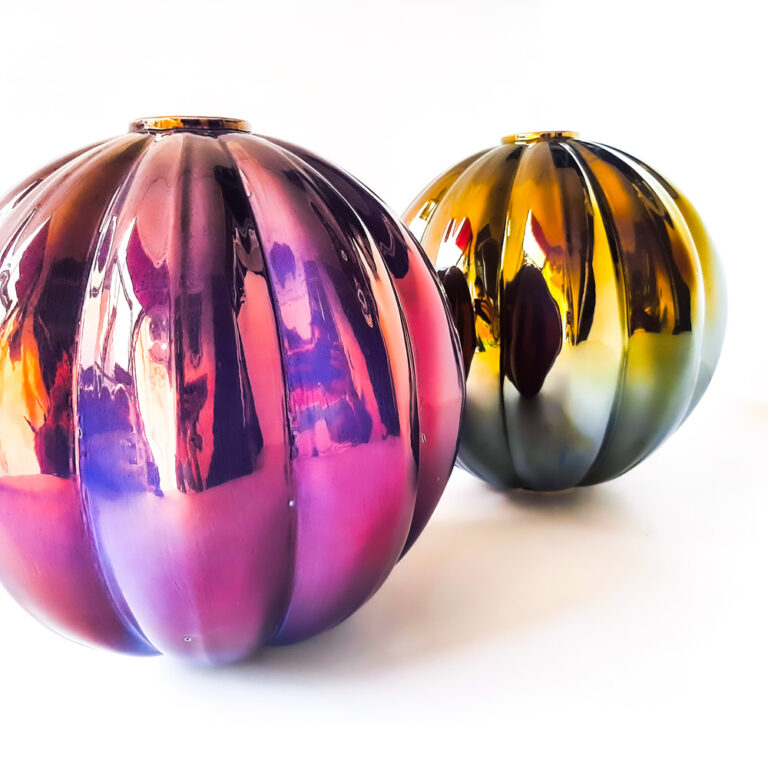
I am interested in the point where an object begins to exceed its physical boundaries. A ceramic object occupies space, but it also creates relationships within it — between surface and shadow, volume and emptiness, object and viewer. At this point, the object becomes more than an isolated form; it becomes part of a spatial condition.
This is where my architectural and ceramic thinking begin to converge. I consider the object in relation to its scale, position, texture, light, and surrounding emptiness, because each contributes to how it is perceived and experienced.
The movement is therefore not simply object → space, but a continuous transformation:
matter → form → light → perception → space.
MEMORY & CONTEMPORARY IDENTITY
A Dialogue with Place and Heritage
My work is rooted in the visual and material landscape of Iran. Architecture, brick, clay, geometry, rhythm, pattern, and the changing quality of light across built surfaces have all shaped the way I see and continue to inform my practice.
But I am not interested in reproducing the past.
I am interested in listening to it.
For me, heritage is not a fixed image or a collection of decorative references. It is a living layer of memory — something that can be questioned, transformed, and carried into the present.
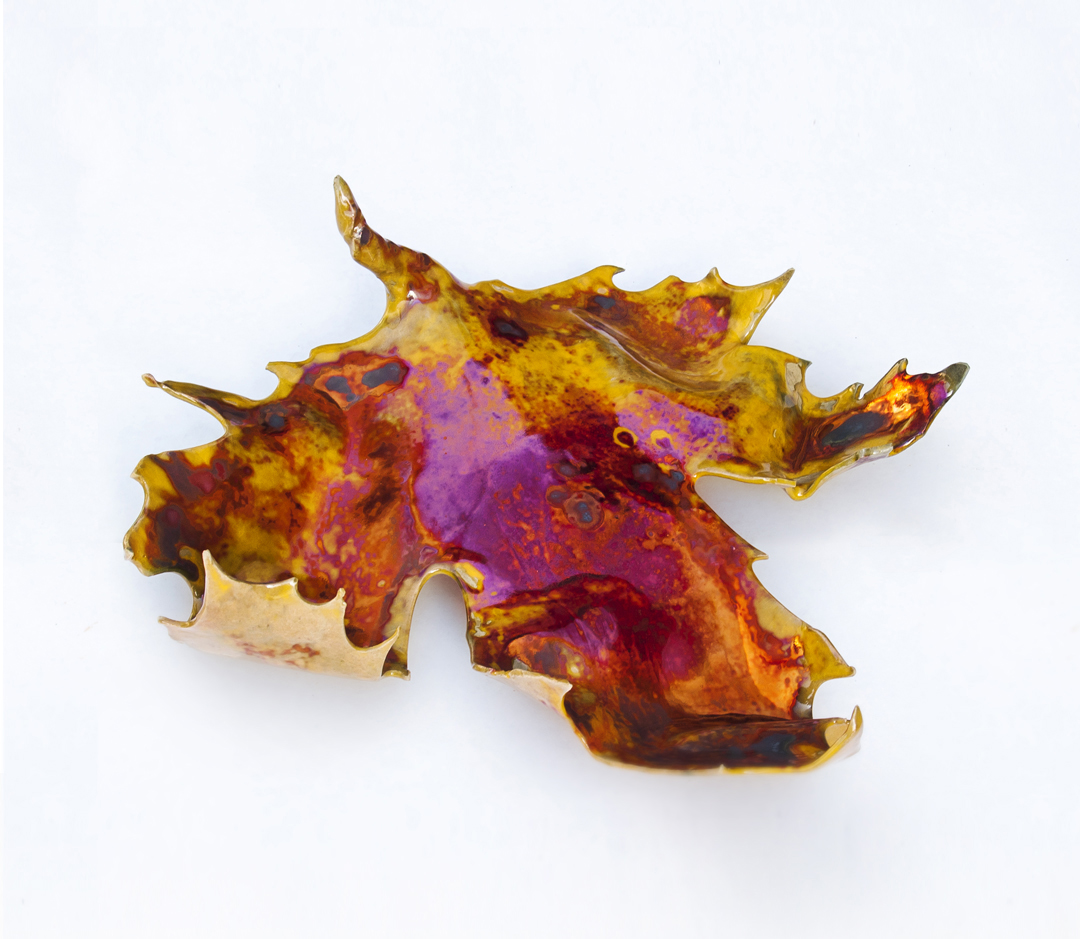
I look for what can survive transformation: a rhythm, a proportion, a material memory, a relationship with light, or a way of constructing space. These elements can leave their original context without losing their meaning, becoming part of a contemporary visual and material language.
The past becomes meaningful when it is not simply preserved, but allowed to generate new forms.
SELECTED WORKS
Evidence of the Practice
The ideas within my practice take form through different bodies of work. Architecture allows me to explore structure, space, rhythm, material, and the relationship between built form and light, while ceramic art brings these questions into a more intimate encounter with earth, surface, transformation, and luminous matter.
Some works remain close to the scale of the object, while others move toward space and architecture. The medium may change, but the underlying inquiry remains continuous:
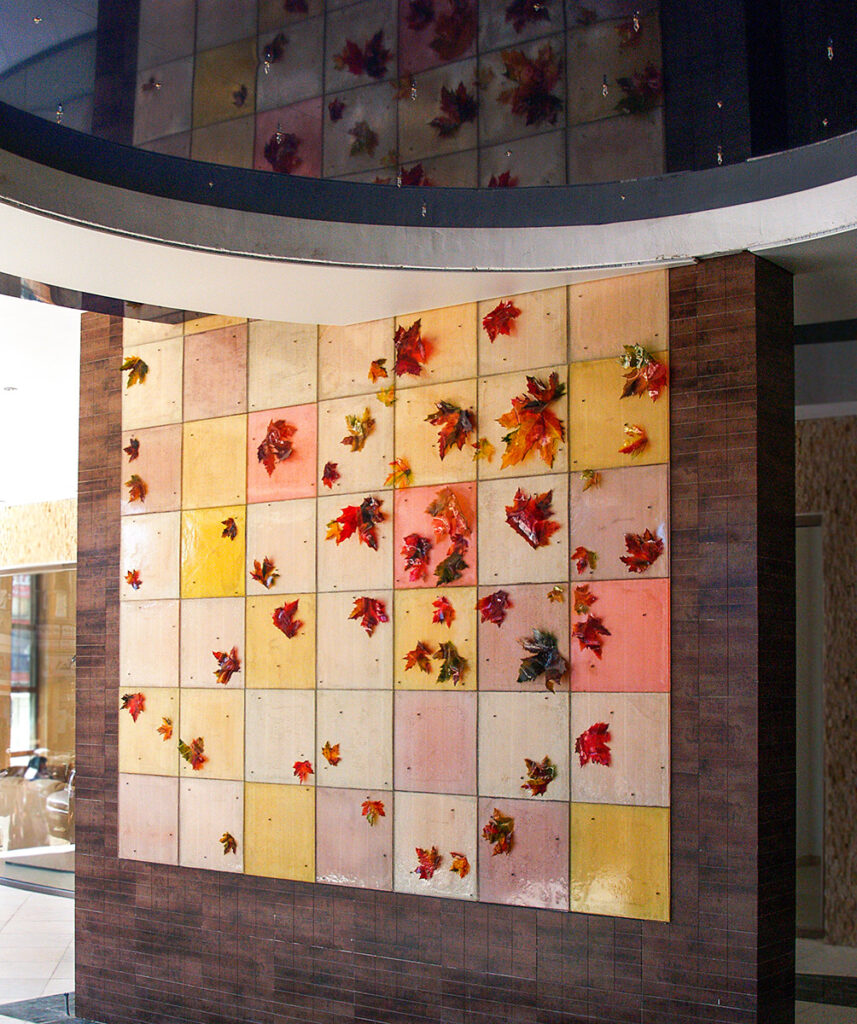
how matter, structure, light, and space can shape perception and experience.
Together, these works are not separate expressions, but different manifestations of the same ongoing practice.
Architecture
Spatial thinking, structure, brick, rhythm, material, and light.
Ceramic Art
Clay, surface, transformation, glaze, and the encounter between earth and light.
Selected Projects
Projects in which architecture, material, and artistic investigation converge.
CLOSING STATEMENT
A Continuous Journey
My practice continues to move between architecture and ceramics, object and space, earth and light. I do not see these as separate worlds, but as different paths through the same landscape — one in which matter becomes form, form enters space, and light reveals the transformations that connect them.
The journey remains open. There is always another material to understand, another surface to reveal, another relationship between light and matter to explore, and another space to enter.
What remains constant is the desire to look more closely — to understand how light, matter, structure, and space can come together to shape perception and experience.
Architect of Light, Sculptor of Space
A Pilgrim Through Light, Matter, and Space.
A continuous journey between parallel worlds
searching for the soul of architecture in the heart of clay